
Last updated: November 13, 2026
Short answer: To hire the right corporate photographer, define what you need first (headshots, branding photos, events or all three), then compare photographers on four things: a portfolio that matches your type and size of project, a clear pre-shoot process, delivery times and usage rights in writing, and professional basics like a contract, insurance and backup equipment. Watch for red flags such as no contract, vague delivery dates or a portfolio built on weddings.
Most companies hire a corporate photographer only a few times a year, so it is hard to know what good looks like. This 2026 guide pulls together everything we tell HR and marketing teams in Cincinnati and beyond: what to define before you start, the questions to ask (with the answers you want), the red flags to avoid, what it costs, how a team headshot day works and how to choose between freelancers, studios, local and multi-city teams, or doing it in-house.
Why Corporate Photography Matters
Your photos are often the first impression a client, candidate or partner gets. A mismatched team page, a five-year-old headshot or a stock photo of people who don’t work there all send the same message: this company isn’t paying attention.
- For HR: candidates check your careers page and LinkedIn before they apply. Real photos of real people help them picture working with you.
- For marketing: consistent headshots and event photos give you a library to pull from for the website, proposals, social media and press.
- For leadership: speaker bios, board pages and press releases need polished, current portraits.
Why stock photos hold you back
Stock photos are easy to spot, and your competitors may be using the same ones. Photos of your own team, office and events build trust in a way stock images can’t.
What HR and Marketing Teams Each Need
Corporate photography projects often start in one department and end up serving several. Plan for both from the start.
| Team | Common needs | Where the photos go |
|---|---|---|
| HR and recruiting | Team headshots, new-hire headshots, office and culture photos | Careers page, job posts, LinkedIn, onboarding |
| Marketing | Brand photos, event coverage, executive portraits | Website, campaigns, social, proposals, sponsor recaps |
| Leadership and communications | Executive portraits, speaker photos, press images | Bios, press releases, conference programs |
Step 1: Define what you need
“Corporate photography” covers very different jobs. Be specific before you contact anyone:
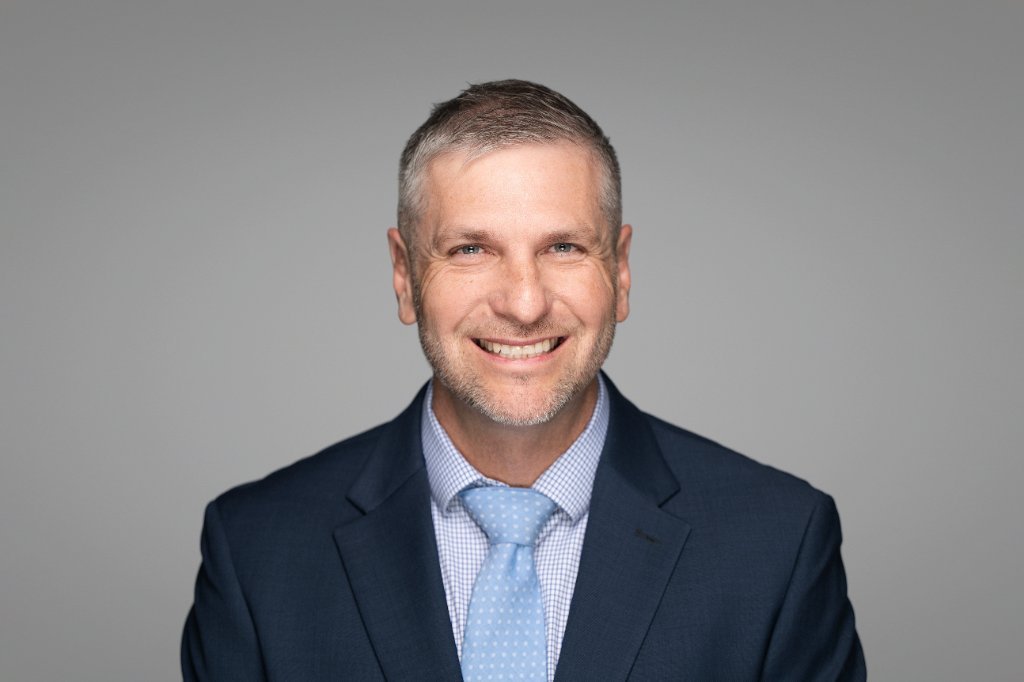
- Team headshots: consistent portraits for the website, LinkedIn and email signatures
- Executive portraits: leadership images for press, speaker bios and annual reports
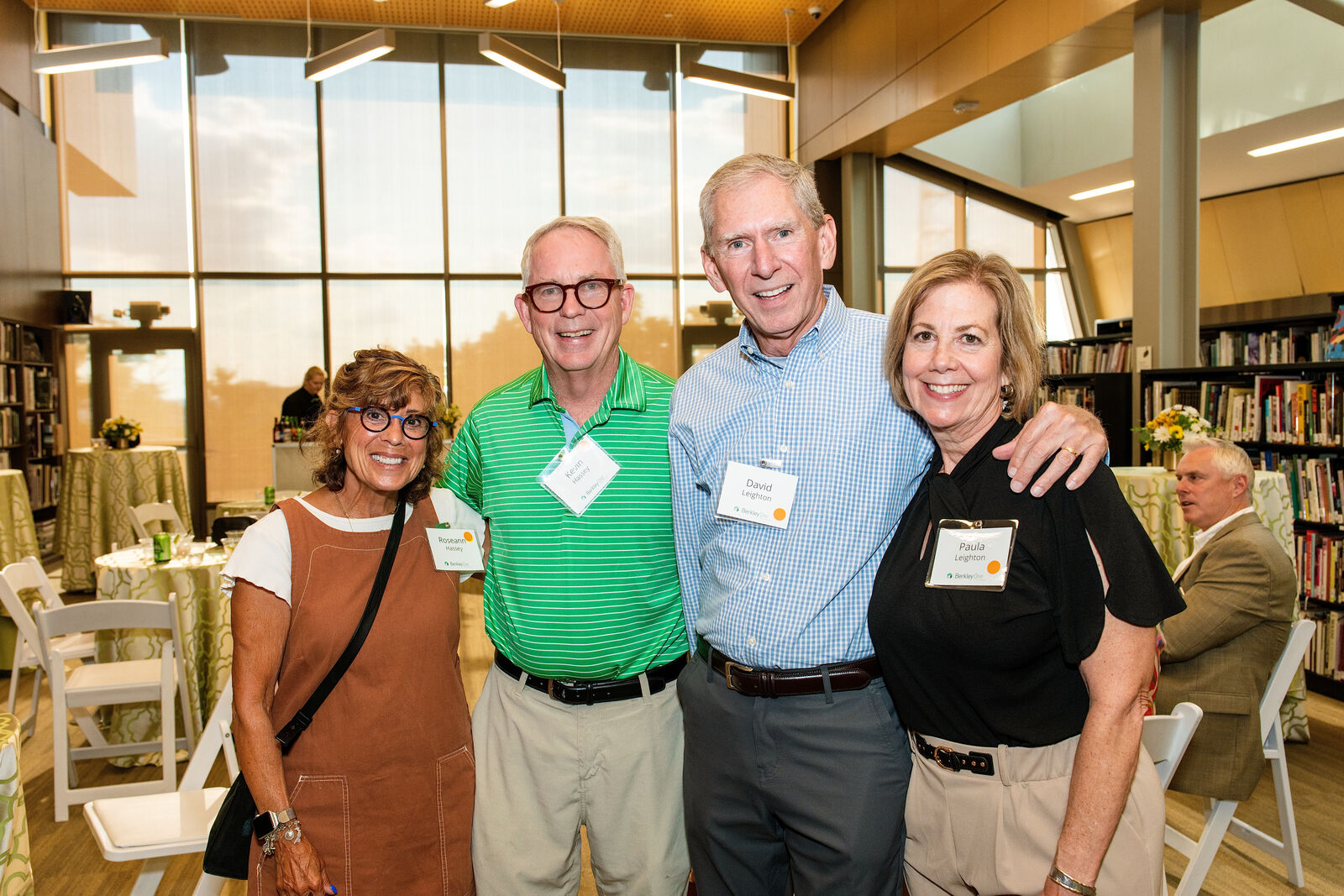
- Company branding photos: a library of team, culture, office and “people at work” images for your website, recruiting and social media
- Event photography: conferences, galas, trade shows and company meetings
Map each one to where it will be used: website redesign, recruiting campaign, investor deck, social media or annual report. That list becomes the start of your brief.
Step 2: Look for the right portfolio
Ask to see full galleries, not just highlights, from projects like yours in type and scale. A beautiful wedding portfolio says little about covering a 500-person conference. For branding photos, look for environmental portraits and culture images, not just headshots on a backdrop.
Consistency across a whole team
Ten people photographed on ten different days should still look like one team. Ask to see a full team gallery, not just a few favorite shots. Same light, same background and same crop are what make a team page look professional.
A setup that comes to your office
The best option for most teams is a portable studio set up in a conference room. Each person steps away for a few minutes instead of the whole team losing half a day. Ask how much space and power the photographer needs.
Direction, not just a camera
Most people don’t love being photographed. A good corporate photographer coaches posture and expression so people look like themselves on a good day. See what makes a headshot look professional.
Event experience
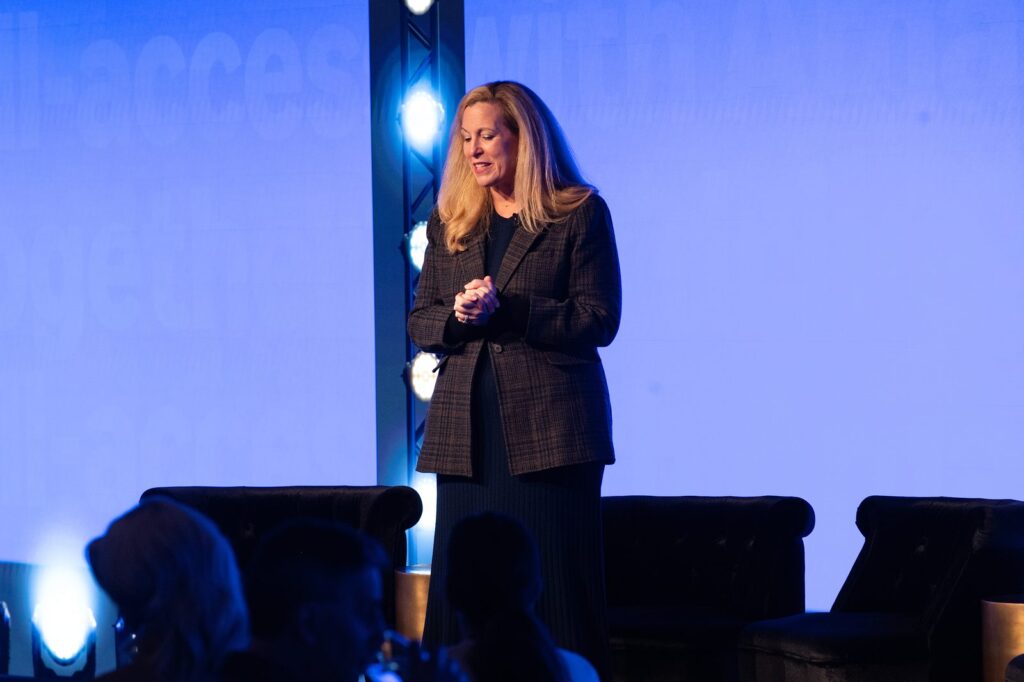
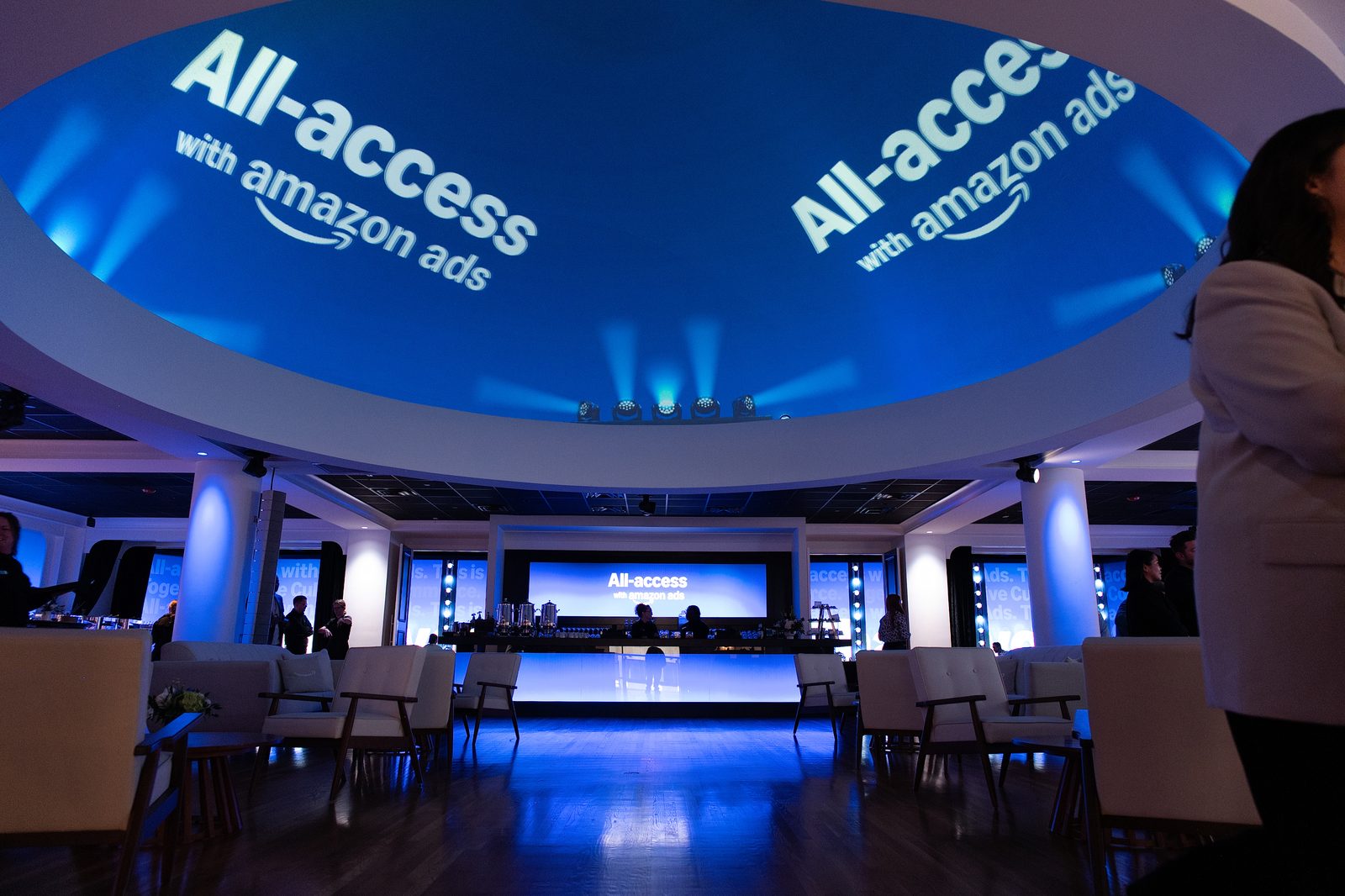
If you’ll need event coverage too, look for someone who knows Cincinnati venues and how they light. Hotel ballrooms, convention halls and immersive spaces all need different approaches.
Real proof
Look for real corporate clients and reviews. Creative Soul Studios has photographed teams and events for companies like Kroger, IKEA, Turner Construction and Miami University, and is rated 5.0 from more than 100 client reviews.
Step 3: Ask These 11 Questions (and the Answers You Want)
Who will actually photograph my project?
The person whose portfolio you reviewed should be the one who shows up. At Creative Soul Studios, Julian Myles directs every engagement and photographs headshot sessions himself.
What experience do you have with projects of this size and type?
Ask for full galleries from similar projects. For team headshots, an on-site setup should photograph about 30 to 35 people per hour per station. Conferences need a plan for every room where something important happens at once.
What is included in the price?
Get hours, number of edited images, retouching and delivery in writing. Individual headshot sessions with Creative Soul Studios start at $275 for 30 minutes; team headshots, events and conferences are custom quoted.
What usage rights are included?
You want full commercial use for your organization: website, ads, social, proposals, press and print. Full commercial usage rights are included with every Creative Soul Studios project.
When will I receive the images, and in what format?
Ask for a specific number of business days, not “soon,” plus high-resolution files for print and web-ready versions in an online gallery. For events, ask about same-day selects for social media.
What happens before the shoot?
A good photographer asks for a run-of-show, a shot list and a list of VIPs, speakers and sponsors, then confirms the room, parking and building access. Our guide on how to write a photography brief includes a template.
What backup equipment do you bring?
Expect backup camera bodies, lenses, lighting, batteries and memory cards, plus a plan if the photographer is sick on the day.
Do you carry liability insurance, and can you send a certificate?
Many offices and venues require a certificate of insurance (COI) before load-in. Ask for it early so it doesn’t hold up your event.
Will you sign our NDA or follow our security rules?
If your office has confidential screens, client information or restricted areas, raise it early. A professional photographer should be comfortable working within your policies, and we regularly do.
What does your contract cover?
It should list deliverables, timeline, usage rights, rescheduling and cancellation terms. A signed agreement and deposit should be what holds your date.
Can I talk to or read reviews from clients with similar projects?
Yes, and you should. Read client reviews and browse case studies from projects like yours.
Step 4: Watch for red flags
- No contract. Without one you have no protection on delivery, rights or cancellations.
- Vague delivery. “A few weeks” isn’t a commitment. Professionals give a specific timeline.
- Silence on usage rights. If they don’t bring it up, assume it isn’t included.
- No pre-shoot questions. “Tell me where to be and I’ll figure it out” means they will figure it out at your expense.
- Much lower prices than everyone else. Usually something is missing: experience, backup gear, editing or insurance.
- Slow replies. How they communicate before you book is how they will communicate when something goes wrong.
- “I’ll send someone else.” Confirm that the photographer whose work you reviewed is the one who shows up.
- No full team galleries. A portfolio of single favorites doesn’t prove they can keep 50 people consistent.
- Only weddings or family work. Corporate shoots run on schedules. Look for someone who does this work every week.
How a Team Headshot Day Works
- Planning call. We confirm headcount, the look you want, the room and the date.
- Sign-up schedule. Your team picks short time slots so no one waits in line.
- Setup. We arrive early and build a full studio in a conference room or open space, with professional lighting and a backdrop.
- Sessions. Each person spends a few minutes with us. We coach posture and expression and check every image on the spot.
- Selection and retouching. Each person picks their favorite, and we retouch it to match the rest of the team.
- Delivery. Final headshots arrive in an online gallery, ready for your website, LinkedIn and email signatures.
Learn more about team headshots in Cincinnati.

How to Prepare Your Team for Headshot Day
A little preparation from HR or the office manager makes the day run on time and the photos look consistent.
Send a wardrobe note a week ahead
- Solid colors photograph best. Skip busy patterns, small checks and large logos.
- Agree on a dress code so the team looks consistent: suit jackets, business casual or company polos.
- Bring a second top in case of a wrinkle or spill.
- Glasses are fine. We adjust lighting to reduce glare.
Share the schedule and the why
Let people know where the photos will be used and how long their slot takes. People relax when they know it’s a few minutes, not an hour.
Plan for remote and absent team members
Someone is always out on the day. Schedule a short make-up session, and make sure remote employees can be photographed with the same look on a later date.
Pick the room early
A conference room or open area of about 10 by 10 feet with an outlet works well. Let the photographer know about parking and building access ahead of time.
Executive Portraits and Leadership Photos
Leadership photos do more work than a standard headshot. They appear in press releases, speaker programs, investor materials and the About page, so plan for a few variations.
- A classic headshot that matches the rest of the team
- An environmental portrait in your office, lobby or a recognizable Cincinnati setting
- A leadership group photo for the About page and announcements
Book leadership portraits on the same day as team headshots to save time and keep the look consistent.
How Much Does a Corporate Photographer Cost?
Corporate photography pricing depends on headcount, hours, locations and what you need delivered. Here’s how it breaks down with Creative Soul Studios:
| Service | Pricing |
|---|---|
| Individual headshot session | $275 (30 minutes) to $875 (2 hours) |
| Team headshots at your office | Custom quote based on headcount |
| Corporate event photography | Custom quote based on hours and coverage |
| Conference photography and headshot stations | Custom quote based on schedule and rooms |
See headshot packages, or read how many hours of event coverage you need.
Freelancer, studio or agency?
| Independent freelancer | Studio or company | |
|---|---|---|
| Price | Often lower | Often higher, with more included |
| Relationship | Direct with the photographer | Varies; sometimes an account manager |
| Backup if someone is sick | Limited | Usually built in |
| Large or multi-photographer projects | Harder to scale | Easier to scale |
| Consistency over time | Depends on the person | Set editing standards |
Creative Soul Studios is founder-led: Julian Myles directs every engagement, so you keep a direct relationship while getting a team, backup and consistent editing standards.
Local photographer or multi-city company?
A local photographer knows the venues, has no travel costs and is easy to meet. A multi-city company gives consistent results when you have offices or events in several places. If your team is spread across cities, using a different photographer in each produces a team page and event archive that don’t match. We combine both: local teams in South Florida, Cincinnati, New York and Chicago using the same equipment, setup and editing workflow everywhere.
We photograph teams and events Downtown, in Over-the-Rhine, Blue Ash, Mason, West Chester, Kenwood and across Northern Kentucky. For outdoor or location portraits, see our guide to the top locations for professional headshots in Cincinnati.
In-house or hire a professional?
An in-house photographer is available on demand and knows the company, which can pay off if you need photos several times a week. The hidden costs are equipment, editing time (often more than half of the work) and a specialization gap: someone great at day-to-day social content may not be ready for a keynote in a dark ballroom. Most companies use a hybrid: in-house or phone content for daily needs, and professionals for headshot refreshes, conferences, galas and brand shoots.
Corporate Event Photography Tips
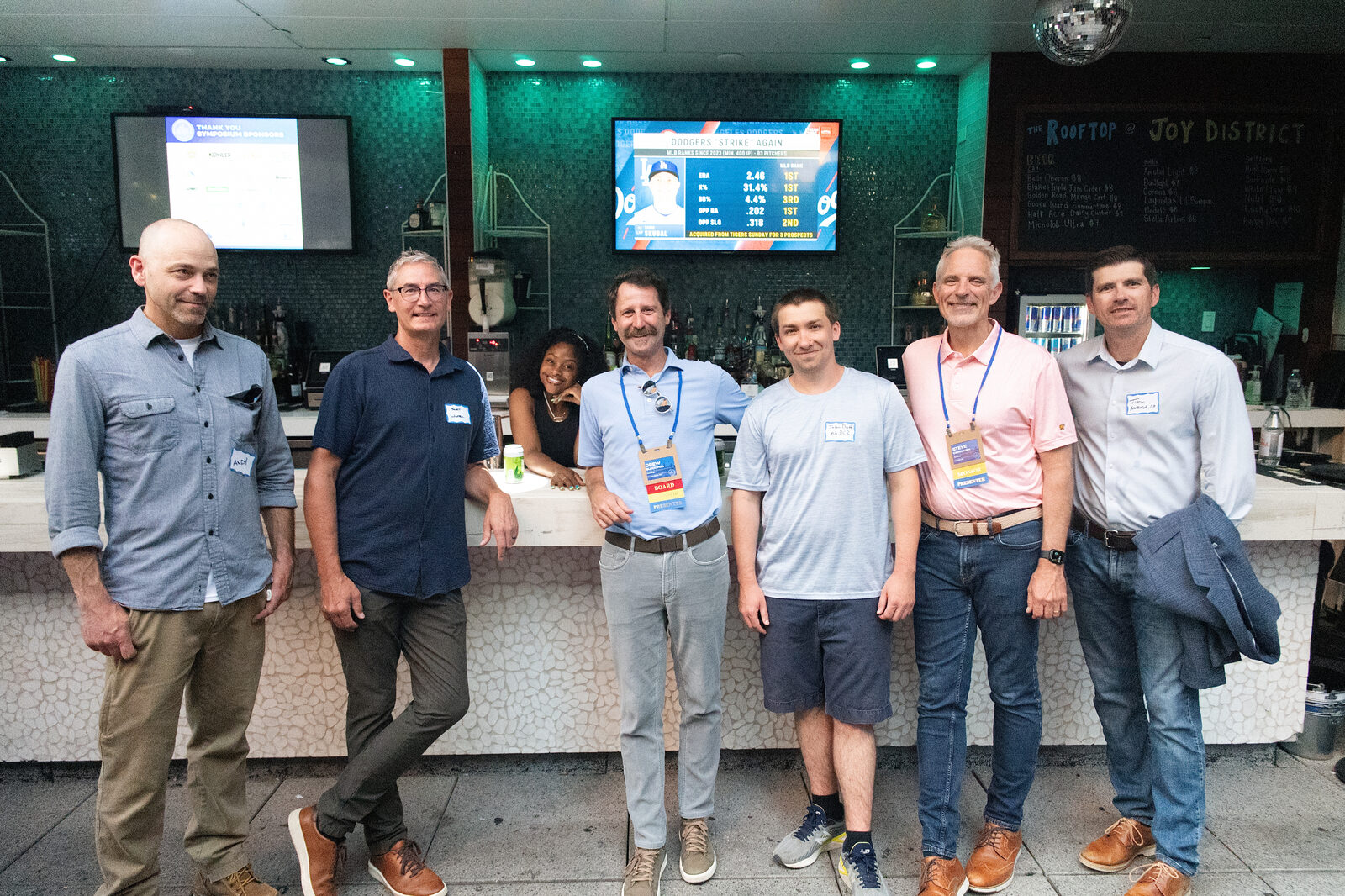
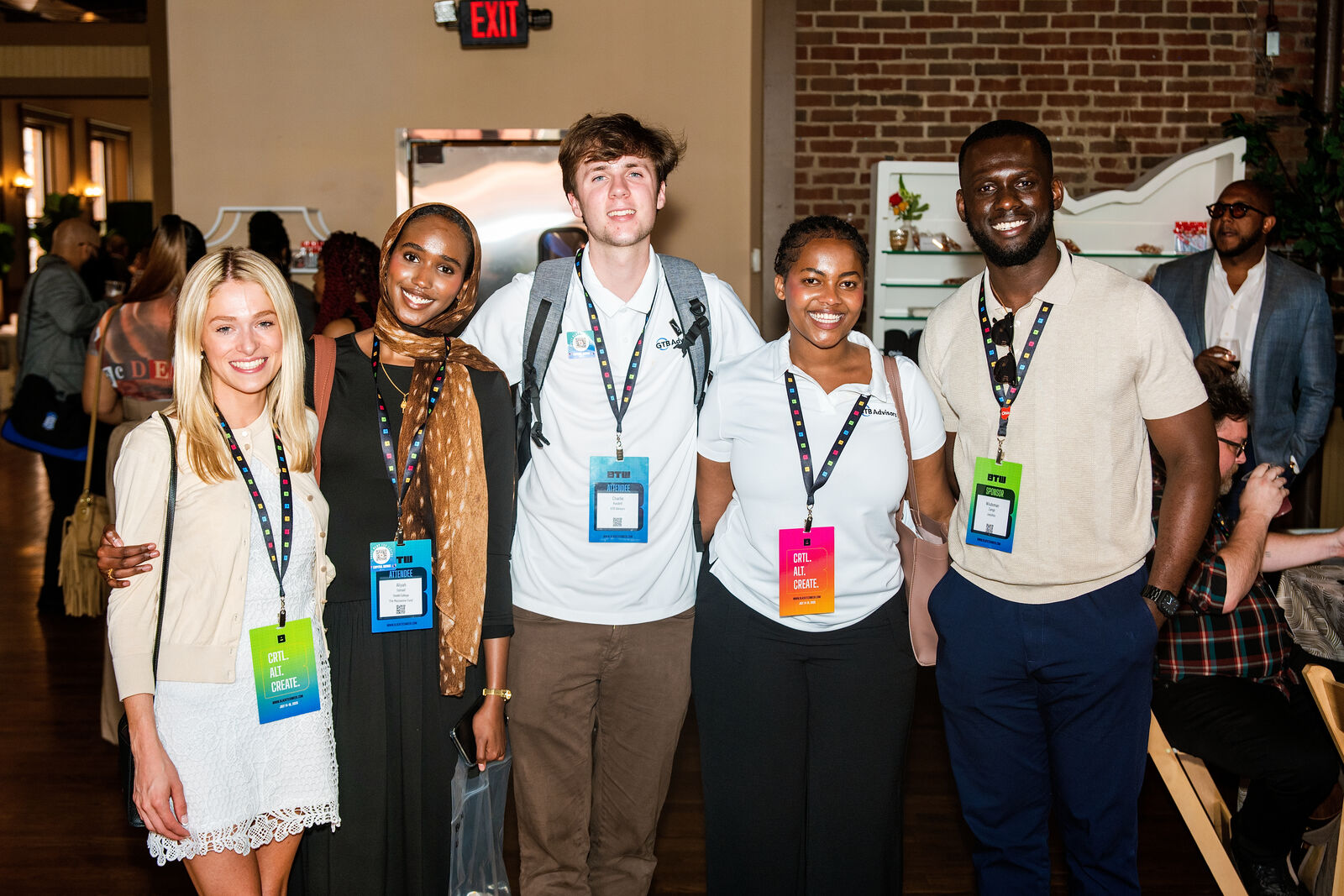
Many companies hire one photographer for headshots and come back for events. For event coverage, plan around the moments that matter: arrivals, the program, awards, networking and group photos.
- Share a run-of-show with must-have moments and times
- Send a list of VIPs, speakers and sponsors
- Plan group photos and where they’ll happen
- Ask how the photographer handles flash in dim rooms (on-camera vs. off-camera flash)
We cover events at venues across the city, including the First Financial Center (formerly the Duke Energy Convention Center), the Westin, the Cincinnati Art Museum and Mercantile Immersive. See Cincinnati corporate event photography, conference photography and headshot activations for trade shows.
Step 5: Confirm scope in writing
Before you sign, confirm hours, locations, number of final images, delivery date and format, usage rights and what happens if plans change. Then send a brief. Our guide on how to write a photography brief includes a template.
See what clients say about us or request a quote.
Frequently Asked Questions
What questions should I ask a corporate photographer?
Ask who will shoot, what experience they have with projects like yours, what is included, what usage rights you get, when you will receive images, whether they carry insurance and what the contract covers.
What usage rights should a corporate photographer include?
For most corporate work you want full commercial use for your organization, including the website, social media, marketing, press and internal materials.
Is it better to hire a freelancer or a photography company?
Freelancers can cost less and offer a direct relationship. Companies offer backup coverage, multiple photographers and consistent editing. A founder-led studio combines both.
Should we hire an in-house photographer?
Only if you need photography several times a week. Most companies combine everyday in-house content with professionals for headshots, conferences and brand shoots.
How much does a corporate photographer cost in Cincinnati?
Individual headshot sessions with Creative Soul Studios start at $275 for 30 minutes. Team headshots, events and conferences are custom quoted based on headcount, hours and deliverables.
Can a photographer come to our office?
Yes. We set up a full portable studio in your office, so each person steps away for just a few minutes.
How many people can be photographed in a day?
About 30 to 35 people per hour per station. Most teams finish in a single day, and larger teams can add a second station.
Can we use the photos for marketing and recruiting?
Yes. Full commercial usage rights are included, so you can use the photos on your website, careers page, LinkedIn, ads and print.
How do we match new hires to our existing headshots?
Booking the same photographer and setup keeps future headshots consistent. We can photograph new hires on later visits so they match the rest of your team.
Do you photograph corporate events and conferences too?
Yes. We cover corporate events, galas, launches and multi-day conferences, plus headshot stations for attendees.
Related Guides
- How to brief your photographer
- How to hire an event photographer
- How far in advance to book
- Corporate photography cost guide
- Corporate photography case studies
- Cincinnati photo studio
Ready to book a corporate photographer? Creative Soul Studios photographs team headshots, executive portraits and corporate events in Cincinnati, South Florida, New York and Chicago. See team headshots, corporate event photography or request a quote.

Written by
Julian Myles
Founder and lead photographer at Creative Soul Studios. Julian grew up in Cincinnati and has photographed 250+ corporate events, conferences and galas across Cincinnati, South Florida and New York. Work with Julian in Cincinnati