
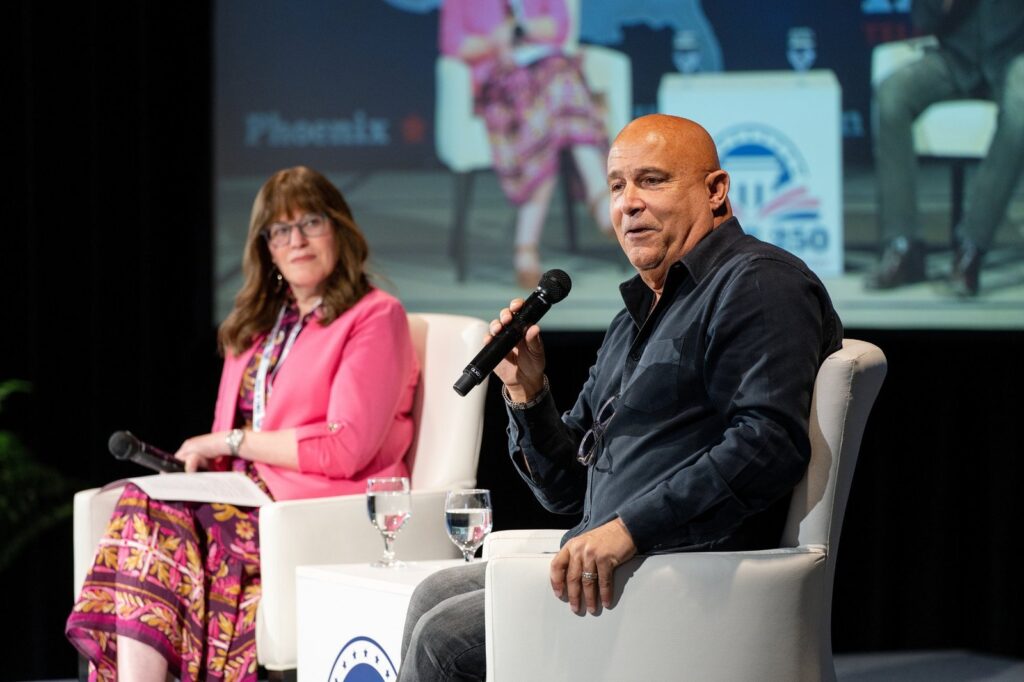
Short answer: Trade show photography is built around three uses: post-show marketing for exhibitors, ROI and sponsor reporting, and promotion for next year’s show. Decide first whether you need single-exhibitor coverage (one booth and its activations) or full expo floor coverage (every exhibitor, sessions and networking), then give your photographer a priority list of booths, demos and people. Most single-booth coverage needs one photographer; a full expo floor with a keynote program usually needs two.
A gala has a run-of-show. A trade show has hundreds of things happening at once, spread across a hall the size of several football fields. That is why trade show photography needs its own plan. This guide covers what to photograph, how to brief your photographer and how to turn the images into leads and sponsor reports. It draws on the shows we cover in Miami, Fort Lauderdale, Boca Raton, Cincinnati, New York and Chicago.
Exhibitor coverage vs. full expo floor coverage
The first question is who the photos are for.
Single-exhibitor coverage
You are one company exhibiting at a larger show. The photographer stays focused on your booth from setup to teardown and documents:
- The finished booth, clean and empty, before doors open (your design and build investment)
- Staff talking with visitors, scanning badges and running demos
- Product demonstrations and launches, showing both the product and the crowd
- Executives meeting key accounts, partners and press
- Your speaking sessions or panels elsewhere in the venue
Full expo floor coverage
You organize the show. The photographer covers the whole event so you can market next year’s edition, sell sponsorships and deliver recap packages to exhibitors:
- Wide shots of a busy floor, registration and opening-day crowds
- Sponsor booths and branded activations, each documented for sponsor reports
- Keynotes, education sessions and awards
- Networking areas, receptions and after-hours events
The trade show shot list
- Booth hero shots before the crowds arrive, from straight on and at an angle
- Engagement shots of real conversations, ideally with the brand visible behind them
- Demo moments, including close-ups of the product and the audience reaction
- People shots of your team, executives and VIP visitors
- Context shots that show the size and energy of the show
- Sponsor deliverables: logos, signage and activations clearly framed
- Headshots of your booth team or attendees, if you add a headshot station as a booth draw
Adapt our event photography shot list for your show.
How to brief a trade show photographer
Trade shows reward preparation. Before the show, send:
- Booth number and a floor map, plus the hours you need coverage
- Your demo and presentation schedule
- Names and photos of executives and VIP customers you expect
- Any sponsor obligations, such as a photo of each sponsor’s signage
- How the images will be used: social, press, sales follow-up, internal recap
- Show rules on photography and badge access for the photographer
Our guide on writing a photography brief includes a template.
Turn trade show photos into results
- Post during the show. Ask for same-day highlight images so your team can post on LinkedIn while people are still at the show.
- Follow up with leads. A photo of a prospect at your booth makes a follow-up email far more personal.
- Report ROI. Booth traffic, demo crowds and executive meetings make the case for next year’s budget.
- Serve sponsors. Organizers who send each sponsor a tailored photo set renew more sponsorships.
Read more in how to get the most value from event photos.
Trade show venues in our markets
- Miami: the Miami Beach Convention Center and hotel convention spaces in Brickell, Coconut Grove, Coral Gables and Aventura.
- Fort Lauderdale and Boca Raton: the Broward County Convention Center, resort and hotel conference facilities, and marine industry events where coverage can extend to docks and on-water demos.
- Cincinnati: the Duke Energy Convention Center and suburban hotel conference spaces in Blue Ash and Mason. Cincinnati’s consumer goods and manufacturing base means a lot of product display and demo photography.
- New York and Chicago: large convention centers and hotel expo halls where security, badge access and union rules should be confirmed early.
Exhibiting outside your home city? Many of our clients book us to travel with their trade show team.
How many photographers do you need?
One photographer covers a single booth comfortably. For full expo floor coverage with a keynote program running at the same time, plan on two, or three for very large shows with concurrent sessions. Our guide on how many photographers a conference needs explains the math.
Delivery
We can send a small set of edited highlights the same day for social posting, with the full edited gallery delivered within 48–72 hours. Multi-day shows get daily preview galleries. See how long it takes to get event photos back.
Exhibiting or hosting a show? Request a quote with your show name, dates, venue and whether you need exhibitor or full-floor coverage.
Frequently Asked Questions
What is the difference between exhibitor and expo floor coverage?
Exhibitor coverage follows one company’s booth, demos and meetings. Expo floor coverage documents the whole show, including every sponsor, sessions and networking, and is usually booked by the show organizer.
Can you deliver trade show photos the same day?
Yes. We can send a small set of edited highlights during the show so your team can post on social media, followed by the full gallery within 48–72 hours.
Do you travel for trade shows?
Yes. We cover shows in South Florida, Cincinnati, New York and Chicago and travel with exhibitors to shows in other cities. Reach out with your show details.
How much does trade show photography cost?
It depends on hours, number of photographers and delivery speed. See our conference photography cost guide for typical ranges.