
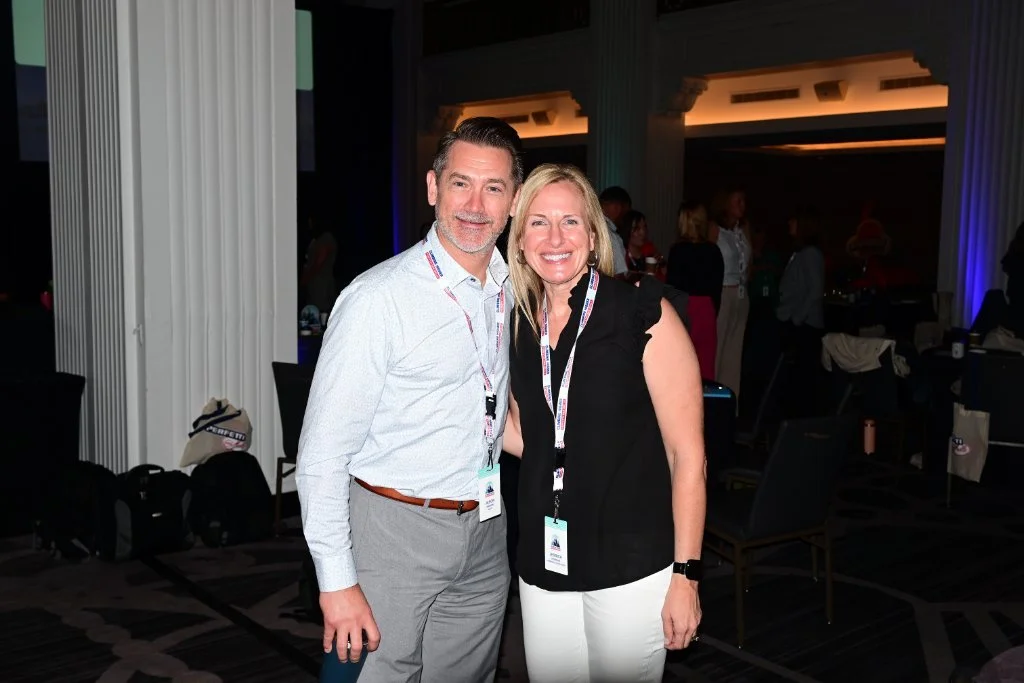
Short answer: Good gala and award ceremony photography covers three things: the room (décor, arrivals, the scale of the night), the program (every award handoff, speech and honoree portrait) and the people (donors, sponsors and guests enjoying themselves). Plan it with a run-of-show, a VIP and honoree list and a set time for staged award photos, and book a second photographer if you expect more than about 300 guests or a step-and-repeat that runs during the program.
Galas look simple from the outside: a ballroom, a dinner, a few speeches. Photographically they are some of the hardest events we cover. The lighting changes every half hour, the most important moments last three seconds, and every honoree, sponsor and board member expects to see themselves in the gallery. This guide explains how Creative Soul Studios plans and shoots galas and award ceremonies in Miami, Fort Lauderdale, Boca Raton, Cincinnati, New York and Chicago, and what you should ask any photographer before you book.
What makes gala photography different
A corporate conference runs on daylight, stage lighting and a predictable agenda. A gala runs on candlelight, uplighting and a program that slips by twenty minutes before dessert. That changes how the photographer works:
- Low, colored light. Ballrooms are lit for mood, not cameras. Your photographer needs fast lenses and off-camera flash used carefully, so faces look natural without washing out the room.
- Fast, unrepeatable moments. The award handoff, the honoree’s reaction and the standing ovation each happen once. The photographer has to be in position before the name is read, not after.
- Two jobs at once. Galas mix structured coverage (stage, awards, sponsor walls) with social coverage (guests, tables, dancing). A good gala photographer moves between the two all night.
- Formal wear and VIPs. Guests have dressed for the night and want flattering photos. Recognizing your honorees, board chairs and top donors on sight matters more than at almost any other event.
The gala shot list
Every event is different, but these are the images planners ask us for most often. Share your own priorities in advance and we build them into the plan.
Before guests arrive
- The empty room, table settings, centerpieces, stage and branding, shot while the lighting is set and nothing has been disturbed
- Sponsor signage and step-and-repeat banners, cleanly framed for sponsor reports
- Staff, volunteers and committee members before the doors open
Arrivals and cocktail hour
- Step-and-repeat portraits of guests, couples and VIPs
- Candid conversations, toasts and networking
- Silent auction tables and bidders
The program
- Every speaker at the podium, plus wide shots that show the full room listening
- Each award presentation: the name announced, the walk to the stage, the handoff, the handshake and the reaction
- Audience reactions, standing ovations and the honoree’s table
- Live auction energy, paddles raised, the auctioneer working the room
After the program
- Staged portraits of each honoree with the award, the presenter and key executives
- Group photos of the board, committee and sponsors
- Dancing, entertainment and the last celebratory moments of the night
For a full template you can adapt, see our event photography shot list.
Award ceremony coverage: get every honoree right
Award photos are the images people use for years: in press releases, on LinkedIn, in annual reports and on office walls. Missing one is the fastest way to disappoint a client. Our process is simple and it works:
- Get the run-of-show and honoree list before the event. We note the order of awards, who presents each one and where the presenter will stand.
- Set the position before the first award. We pick the angle that shows the honoree’s face, the award and the presenter together, with the branded backdrop behind them.
- Plan a staged photo for every award. A quick posed shot right after the handoff, or a dedicated portrait area after the program, guarantees a clean photo even if the live moment is blocked.
- Cover the room as well as the stage. On larger nights a second photographer captures reactions and the honoree’s table while the lead stays on stage.
Charity galas: show the mission, not just the party
A charity gala has a job a corporate dinner doesn’t: proving to donors that the evening mattered. The best charity gala galleries include mission moments, like a beneficiary’s story, a video that moved the room, or the paddle raise that funded a program. Those images go straight into donor reports, grant applications and next year’s sponsorship deck. Read more in our charity fundraiser photography guide and our page for associations and nonprofits.
Gala venues we work in
Venue knowledge saves time on the night: where the stage light falls, where a photographer can stand without blocking sightlines, and how early the room is ready. A few examples from our markets:
- Miami: hotel ballrooms in Brickell and Downtown, museum venues such as Vizcaya and the Pérez Art Museum, and the Biltmore in Coral Gables.
- Fort Lauderdale and Boca Raton: waterfront venues like Pier Sixty-Six and the Marriott Harbor Beach, the Diplomat in Hollywood and The Boca Raton resort. Waterfront galas often add boat arrivals and sunset exteriors to the shot list.
- Cincinnati: Music Hall, the Cincinnati Art Museum, Ault Park Pavilion and downtown hotel ballrooms, plus corporate award events hosted by the region’s large employers.
- New York and Chicago: hotel ballrooms, museums and private event spaces where tight floor plans make positioning and timing even more important.
See our event venue guides for venue-specific tips.
How many photographers does a gala need?
One experienced photographer can cover most galas up to about 250–300 guests. Add a second photographer when you have a step-and-repeat that runs during dinner, a large live auction, a dance floor that should be covered while awards continue, or VIP portraits that overlap the program. Our guide on how many photographers you need covers the same logic for larger events.
Delivery: when you’ll get the photos
Most organizations want a handful of images the next morning for social media and a thank-you email to donors. We can send a small set of highlights quickly and deliver the full edited gallery within 48–72 hours, organized so you can find honorees, sponsors and the program easily. See how long it takes to get event photos back.
Planning checklist
- Send the run-of-show, award order and honoree list at least a week ahead
- Flag VIPs, sponsors and board members you need photographed
- Decide where staged award portraits happen and when
- Tell us about any guests who should not be photographed
- Confirm timing for room details before doors open
- Agree on a next-morning highlight set for social media
Planning a gala or award night? Request a quote and tell us your date, venue and guest count.
Frequently Asked Questions
How much does gala photography cost?
Most gala and award ceremony coverage falls within typical corporate event pricing, which depends on hours of coverage, the number of photographers and turnaround. See our event photography cost guide for current ranges, or request a custom quote.
How long should a photographer stay at a gala?
From about 30 minutes before doors open until the main program and staged award portraits are finished. Many organizations also keep coverage through the first part of the dance floor or entertainment.
Can you photograph guests at a step-and-repeat?
Yes. Step-and-repeat portraits are one of the most requested gala images. If it runs during dinner or the program, we recommend a second photographer so the stage stays covered.
Do you cover galas outside your home markets?
Yes. We cover South Florida, Cincinnati, New York and Chicago and travel for events elsewhere. Reach out to discuss your date and location.